Blog
Why Isn’t My Hydrangea Blooming? Easy Fixes
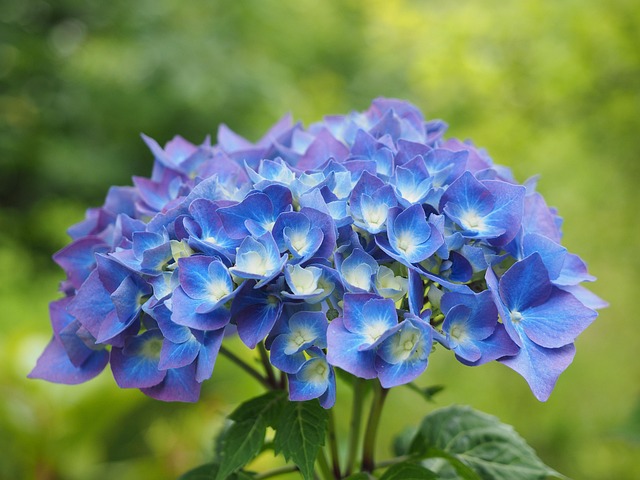
Hydrangeas are among the most popular flowering shrubs in home landscapes, prized for their spectacular blooms and season-long beauty. But what happens when your hydrangea produces plenty of healthy leaves and very few flowers?
If you’re wondering why your hydrangea isn’t blooming, you’re not alone. Blooming problems are one of the most common hydrangea questions gardeners ask. Fortunately, the cause is often easy to identify and correct.
Let’s explore the most common reasons hydrangeas fail to bloom and the simple steps you can take to encourage more flowers.
Start by Identifying Your Hydrangea Type
One of the biggest causes of hydrangea confusion is that different varieties bloom differently.
Hydrangeas That Bloom on Old Wood
These plants form flower buds during the previous growing season.
Examples include:
- Bigleaf Hydrangea (Hydrangea macrophylla)
- Oakleaf Hydrangea
- Mountain Hydrangea
Hydrangeas That Bloom on New Wood
These varieties produce flowers on current season growth.
Examples include:
- Panicle Hydrangea
- Smooth Hydrangea
Knowing which type you have is critical because pruning and winter damage affect them differently.
Pruning at the Wrong Time
Improper pruning is one of the most common reasons hydrangeas fail to bloom.
If you prune old wood hydrangeas in late fall, winter, or early spring, you may accidentally remove the flower buds that were formed the previous year.
Best Pruning Practices
For old wood bloomers:
- Prune only when necessary
- Prune immediately after flowering
- Avoid pruning in fall, winter, or early spring
For new wood bloomers:
- Prune in late winter or early spring before new growth begins
When in doubt, identify the variety before reaching for the pruners.
Winter Damage Can Destroy Flower Buds
In colder climates, winter weather can damage flower buds before spring arrives.
Signs of winter damage may include:
- Healthy leaves but no flowers
- Dead branch tips
- Delayed growth
- Sparse blooming
Old wood hydrangeas are especially vulnerable because their flower buds must survive winter to bloom the following season.
To help protect plants:
- Apply mulch around the root zone in late fall
- Avoid late-season fertilizing
- Plant in protected locations away from harsh winter winds
Even healthy plants may occasionally skip a bloom season after a particularly severe winter.
Too Much Shade
Hydrangeas generally prefer a balance of sunlight and protection from intense afternoon heat.
When plants receive too much shade, they often produce:
- Fewer blooms
- Smaller flowers
- Weak, stretched growth
Most hydrangeas perform best with:
- Morning sun
- Afternoon shade
- Four to six hours of sunlight daily
If nearby trees or structures are creating dense shade, increasing sunlight exposure may improve flowering.
Too Much Nitrogen
A healthy-looking hydrangea isn’t always a blooming hydrangea.
High-nitrogen fertilizers encourage vigorous leaf and stem growth but can reduce flower production.
Common sources include:
- Lawn fertilizers
- Over-fertilization
- Fertilizers designed for leafy growth
If your hydrangea is producing lots of green foliage but very few blooms, excess nitrogen may be part of the problem.
Choose a balanced fertilizer formulated for flowering shrubs and follow application directions carefully.
Young Plants May Need More Time
Newly planted hydrangeas often spend their first few seasons developing roots rather than producing abundant blooms.
To help young plants establish:
- Water consistently
- Mulch around the base
- Avoid excessive fertilizer
- Be patient
Many hydrangeas improve their flowering performance as they mature.
Water Stress Can Affect Flower Production
Hydrangeas prefer evenly moist soil throughout the growing season.
Extended dry periods can stress plants and impact bloom production.
For best results:
- Water deeply during dry weather
- Apply mulch to conserve moisture
- Avoid allowing plants to repeatedly dry out
Consistent moisture supports healthier growth and stronger flowering.
How to Encourage More Hydrangea Blooms
For the best chance of success:
- Identify your hydrangea variety
- Prune at the correct time
- Protect flower buds during winter
- Provide adequate sunlight
- Use balanced fertilizer
- Maintain consistent soil moisture
Small changes can often result in significantly better flowering.
Frequently Asked Questions
Why does my hydrangea have leaves but no flowers?
The most common causes are improper pruning, winter damage, excessive shade, or too much nitrogen fertilizer.
Can I prune hydrangeas in spring?
It depends on the variety. Some hydrangeas bloom on old wood and may lose flower buds if pruned in spring.
How much sun do hydrangeas need?
Most hydrangeas perform best with four to six hours of sunlight daily, especially morning sun.
What fertilizer is best for hydrangeas?
A balanced fertilizer designed for flowering shrubs is usually the best choice.
Can winter weather prevent blooming?
Yes. Winter injury and late spring frosts can damage flower buds, particularly on hydrangeas that bloom on old wood.
Visit Salt Box Nursery
Not sure what type of hydrangea you have or why it isn’t blooming? The knowledgeable team at Salt Box Nursery can help you identify your hydrangea variety, troubleshoot bloom issues, and select the right plants and products for success.
Salt Box Nursery
562 Boston Road
Billerica, MA 01821
Hours
Open Daily: 8:00 AM – 5:00 PM
Visit us for beautiful hydrangeas, flowering shrubs, garden supplies, and expert gardening advice to help your landscape thrive.
