Blog
Tomato Tips for a Better Summer Harvest
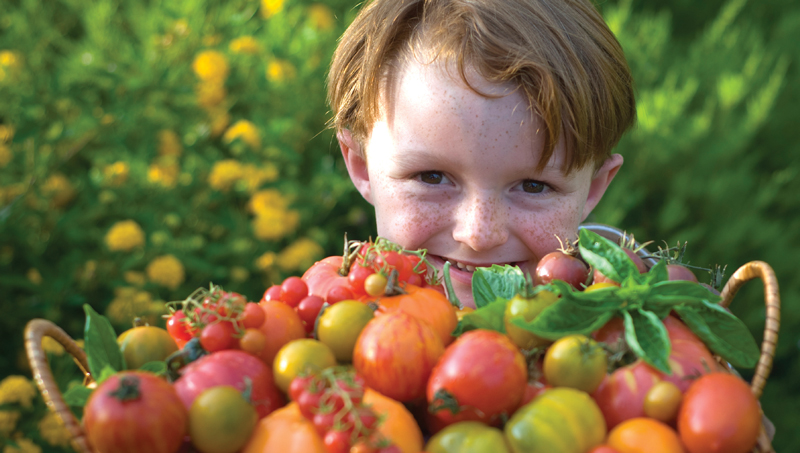
Few garden vegetables are as rewarding as homegrown tomatoes. Whether you’re growing juicy slicing tomatoes, sweet cherry tomatoes, or heirloom varieties, a little extra care throughout the growing season can make a big difference in the quality and quantity of your harvest.
If you want healthier plants, fewer problems, and baskets full of delicious tomatoes, these simple tips will help your garden thrive all summer long.
Start with Strong Support
Tomato plants grow quickly and can become heavy once fruit begins to develop. Providing support early helps prevent broken stems, improves air circulation, and keeps fruit off the ground.
Popular support options include:
- Tomato cages
- Stakes
- Trellises
- Tomato towers
Installing supports when plants are young helps avoid damaging roots later in the season.
Prune for Better Airflow
Pruning can help improve airflow and reduce overcrowding, especially for indeterminate tomato varieties.
Consider removing:
- Suckers that form between the main stem and branches
- Lower leaves that touch the soil
- Damaged or diseased foliage
Better air circulation helps reduce disease pressure and can improve overall plant health.
Water Deeply and Consistently
One of the most common tomato-growing mistakes is inconsistent watering.
Tomatoes perform best when they receive deep, thorough watering rather than frequent shallow watering.
For best results:
- Water at the base of the plant
- Water early in the morning
- Keep soil consistently moist
- Avoid wetting the foliage whenever possible
Deep watering encourages stronger root systems and helps plants tolerate summer heat.
Mulch to Retain Moisture
Mulch is one of the most valuable tools for successful tomato growing.
Benefits include:
- Conserving soil moisture
- Suppressing weeds
- Regulating soil temperature
- Reducing soil splash that can spread disease
Apply 2 to 3 inches of mulch around plants using straw, shredded leaves, or other organic materials.
Feed Tomatoes Throughout the Season
Tomatoes are heavy feeders and benefit from regular nutrition.
A balanced fertilizer at planting time can help establish healthy growth, while fertilizers formulated for flowering and fruit production can support larger harvests later in the season.
When fertilizing:
- Follow label directions carefully
- Avoid excessive nitrogen
- Feed consistently throughout the growing season
Too much nitrogen often produces lush green leaves but fewer tomatoes.
Prevent Blossom-End Rot
Blossom-end rot is one of the most frustrating tomato problems gardeners encounter.
Symptoms include a dark, sunken spot on the bottom of developing fruit.
The condition is commonly linked to inconsistent moisture levels that interfere with calcium uptake.
To help prevent blossom-end rot:
- Maintain consistent watering
- Mulch around plants
- Avoid letting soil repeatedly dry out
- Support healthy root development
Stable soil moisture is often the best defense.
Scout for Pests Regularly
Tomato plants should be inspected frequently throughout the season.
Watch for:
- Tomato hornworms
- Aphids
- Whiteflies
- Flea beetles
- Signs of disease
Checking plants every few days allows you to catch problems before they become serious.
Early intervention often results in easier and more effective control.
Harvest Frequently
The more you harvest, the more productive many tomato plants become.
Pick tomatoes when they have developed full color and slight softness. Frequent harvesting encourages continued production and helps reduce pest and disease issues.
Give Plants Plenty of Space
Crowded tomato plants are more likely to develop disease problems.
Proper spacing helps:
- Improve airflow
- Increase sunlight penetration
- Reduce moisture buildup
- Support healthier growth
Always follow spacing recommendations for your specific variety.
Frequently Asked Questions
How often should I water tomato plants?
Most tomato plants benefit from deep watering one to two times per week, depending on weather and soil conditions.
Should I prune all tomato plants?
Indeterminate varieties often benefit most from pruning, while determinate varieties usually require minimal pruning.
What causes blossom-end rot?
Blossom-end rot is commonly associated with inconsistent watering that affects calcium uptake within the plant.
Is mulch necessary for tomatoes?
While not required, mulch provides significant benefits including moisture retention, weed suppression, and disease reduction.
How can I increase tomato production?
Provide consistent watering, proper support, regular feeding, adequate spacing, and frequent harvesting to encourage maximum yields.
Visit Salt Box Nursery
Whether you’re planting your first vegetable garden or you’re an experienced tomato grower, Salt Box Nursery has everything you need for a successful harvest. From tomato plants and fertilizers to mulch, garden supplies, and expert advice, we’re here to help your garden thrive.
Salt Box Nursery
562 Boston Road
Billerica, MA 01821
Hours
Open Daily: 8:00 AM – 5:00 PM
Visit us today and let our team help you grow your best tomato harvest yet.
