Blog
Companion Planting for an Abundant Vegetable Garden
At Salt Box Nursery, we believe that a thriving vegetable garden isn’t just about planting seeds—it’s about strategy. One of the most effective ways to boost your harvest naturally is through companion planting. By pairing certain plants together, you can deter pests, improve soil health, and increase yields without relying on chemical solutions. Our expert team is here to help you choose the best plant pairings to create a balanced and bountiful garden.
What is Companion Planting?
Companion planting is the practice of growing certain plants together to enhance their growth, deter pests, and improve overall garden productivity. Some plants work well together by repelling harmful insects, attracting beneficial pollinators, or enriching the soil with essential nutrients. At Salt Box Nursery, we offer a variety of herbs, vegetables, and flowers that make perfect companion plants.
Best Companion Planting Pairings
Tomatoes & Basil
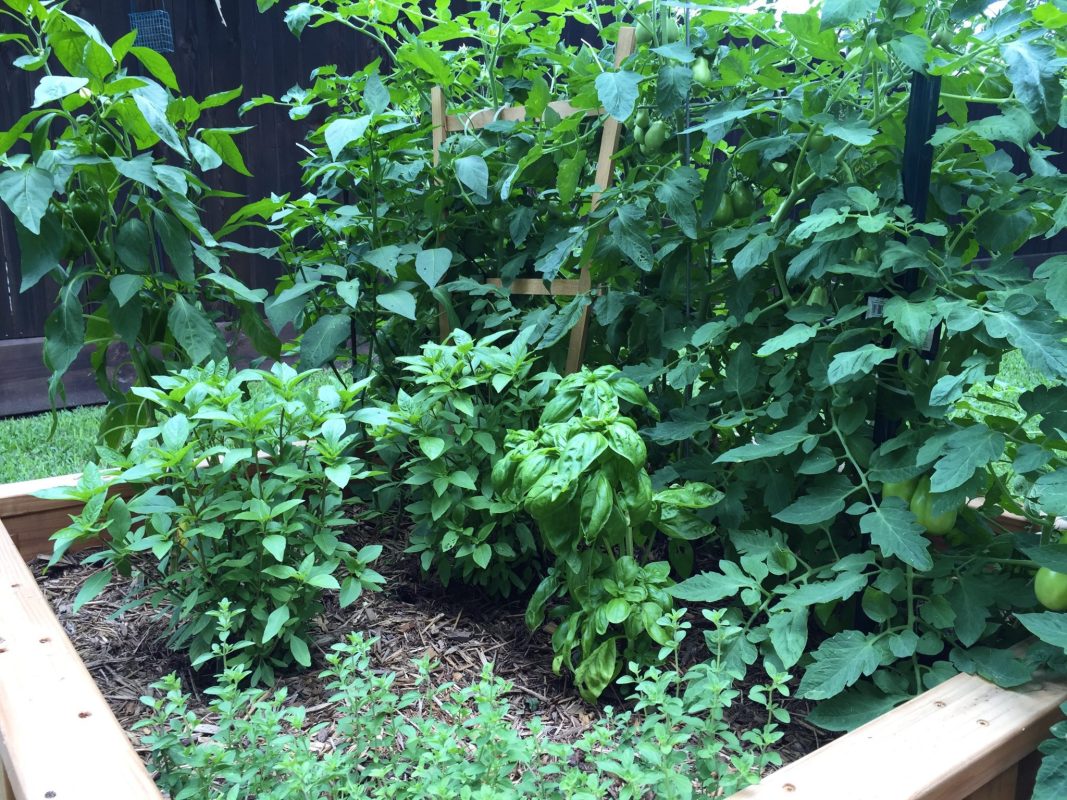
Basil isn’t just a great addition to your pasta sauce—it’s a powerhouse companion for tomatoes. It repels common pests like aphids and whiteflies while also enhancing the flavor of tomatoes. Plus, the strong aroma of basil can mask the scent of tomato plants, making them less attractive to pests. We recommend picking up our locally grown basil and tomato plants to start this winning combination.
Carrots & Onions
Carrots and onions make an excellent team. Onions help deter carrot flies, while carrots provide some ground cover that helps suppress weeds. Both have different root structures, so they won’t compete for nutrients. Stop by Salt Box Nursery to grab fresh onion sets and carrot seeds for your garden.
Cucumbers & Radishes
Cucumber beetles can wreak havoc on your cucumber plants, but radishes serve as a natural deterrent. Radishes grow quickly and help break up compacted soil, creating better conditions for cucumbers to thrive. Let our knowledgeable staff help you pick out the best varieties for your garden.
Lettuce & Chives
Chives repel aphids, one of the biggest threats to tender lettuce leaves. In return, lettuce provides a bit of shade for chives during hot summer days, keeping them from drying out too quickly. Visit Salt Box Nursery to explore our selection of fresh greens and aromatic herbs.
Corn, Beans & Squash (The Three Sisters)
This classic Native American planting trio is a time-tested method of companion planting. Corn provides a natural trellis for beans, beans fix nitrogen into the soil to benefit corn and squash, and the broad leaves of squash help suppress weeds and retain soil moisture. Our team can guide you in selecting the right varieties for a successful Three Sisters garden.
Plants to Keep Apart
While some plants benefit each other, others can be poor companions. Here are a few combinations to avoid:
- Tomatoes & Potatoes – Both are in the nightshade family and attract similar pests, which can lead to rapid disease spread.
- Beans & Onions – Onions can stunt the growth of beans by interfering with their nitrogen fixation process.
- Carrots & Dill – Dill can hinder carrot growth and make them more vulnerable to pests.
Additional Benefits of Companion Planting
- Pest Control – Many aromatic herbs and flowers, such as marigolds and nasturtiums, deter harmful insects.
- Pollinator Attraction – Flowers like borage and calendula attract bees and butterflies, improving pollination rates.
- Soil Health – Plants like legumes fix nitrogen into the soil, benefiting heavy feeders like tomatoes and peppers.
Start Planning Your Companion Garden with Salt Box Nursery
As you plan your vegetable garden this season, visit Salt Box Nursery for expert advice and high-quality plants perfect for companion planting. By pairing plants strategically, you’ll naturally enhance growth, protect against pests, and improve overall yields—all while fostering a balanced ecosystem in your garden.
Stop by Salt Box Nursery today and let us help you create a flourishing, productive vegetable garden!
Happy planting!
