Blog
Build a Cold Frame: Grow Through the Winter
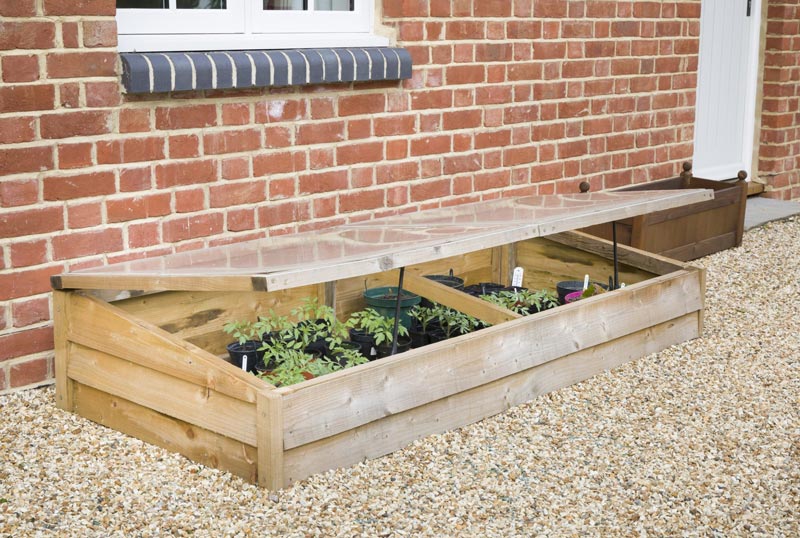
At Salt Box Nursery, we know that gardening can continue even when the temperatures drop. A cold frame is the perfect tool for extending your growing season, allowing you to harvest fresh greens and root vegetables through the winter. Whether you’re a seasoned gardener or looking for a new project, building a cold frame is an exciting way to challenge your skills and keep your garden thriving.
What is a Cold Frame?
A cold frame is a small, unheated structure that uses the sun’s energy to create a warmer microclimate inside. It’s typically built with a transparent top and a sturdy frame, offering protection to cool-weather crops like spinach, lettuce, and carrots from frost and cold winds.
Materials You’ll Need:
- Wood or bricks for the frame (cedar is a durable, long-lasting choice)
- A clear cover such as plexiglass, plastic, or reclaimed windows
- Hinges to attach the cover for easy opening
- Rich soil and compost for planting
- Basic tools like a saw, hammer, and screws
Steps to Build Your Cold Frame:
- Pick the Perfect Spot
Choose a sunny location with southern exposure to capture as much sunlight as possible. Level the ground for stability and proper drainage. - Construct the Frame
Build a rectangular frame to fit your space, typically around 3 feet by 6 feet. Make the back of the frame taller than the front to create a sloped top that helps water and snow slide off. - Attach the Clear Cover
Attach your clear top using hinges, so you can prop it open for ventilation. This transparent cover traps sunlight and warmth inside the frame, creating a protective environment for your crops. - Prepare the Soil
Mix compost into the soil to ensure it’s nutrient-rich and well-draining. Adding straw or mulch can provide additional insulation, helping your plants stay warm during colder nights. - Plant Cold-Hardy Vegetables
Cold frames are perfect for growing crops that can handle cooler temperatures, such as:- Leafy greens like spinach, kale, and Swiss chard
- Root vegetables like carrots, radishes, and beets
- Hardy herbs like parsley and thyme
Caring for Your Cold Frame:
- Ventilation is Key: On sunny days, it’s important to open the top of your cold frame to prevent overheating. This keeps the air circulating and helps avoid moisture buildup.
- Monitor the Temperature: Aim to keep the temperature inside the cold frame between 40°F and 65°F. You can insulate the frame on especially cold nights with blankets or straw bales around the outside.
- Water Sparingly: Since plants in cold frames need less water during the winter, be sure to keep the soil moist without overwatering.
Why Build a Cold Frame?
- Extend Your Harvest: A cold frame allows you to grow and harvest fresh vegetables well into the winter months.
- Sweeter Crops: Cold-hardy vegetables, such as carrots, tend to become sweeter when exposed to light frost, enhancing their flavor.
- Sustainable, Year-Round Gardening: Building a cold frame lets you reduce your reliance on grocery store produce, growing fresh vegetables even during the colder months.
Ready to Get Started?
Salt Box Nursery is here to help you build your cold frame and grow through the winter. From quality materials to expert advice, we have everything you need to set up your cold frame and plant your cold-hardy crops.
Visit Salt Box Nursery today to learn more about how to build your cold frame and keep your garden productive year-round. Together, we can make winter gardening a reality!
