
Blog
The Best Deer Resistant Plants to Add to Your Landscape
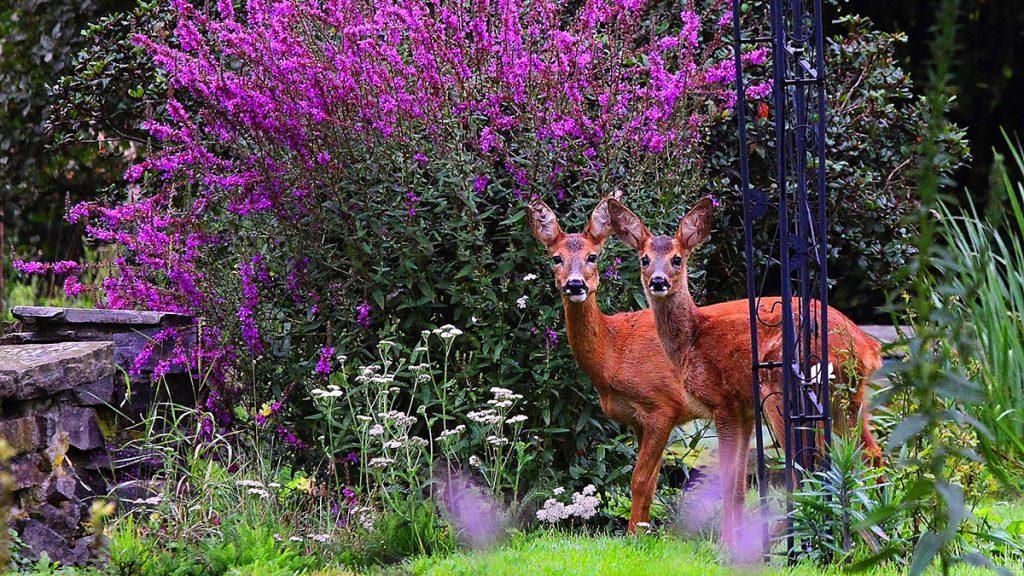
Deer are a common challenge for many Massachusetts gardeners, especially in suburban areas where landscapes blend with natural woodland edges. While no plant is completely deer proof, choosing deer resistant varieties can help reduce damage and create a more resilient garden plan. At Salt Box Nursery in Billerica, Massachusetts, thoughtful plant selection is one of the best strategies for long term landscape success.
Why Deer Resistant Planning Matters
Deer typically browse tender new growth, soft leaves, and heavily fertilized plants. By planning ahead and choosing plants known for strong scent, texture, or natural deterrents, gardeners can design beds that are less appealing to frequent visitors. Focusing on structure and plant diversity also helps prevent heavy damage in one area.
Perennials That Deer Tend to Avoid
Many long blooming perennials offer both beauty and durability in deer prone landscapes. Consider planning with plants such as:
Lavender for its fragrant foliage
Salvia for vibrant color and pollinator appeal
Yarrow for drought tolerance and strong texture
Russian sage for airy structure and long season interest
Lamb’s ear with its soft, fuzzy leaves that deer rarely enjoy
These plants add seasonal color while supporting a more resilient planting plan.
Shrubs With Natural Resistance
Incorporating deer resistant shrubs creates year round structure and reduces browsing pressure. Popular planning choices include:
Boxwood for evergreen form
Spirea for reliable blooms
Juniper for texture and winter interest
Butterfly bush for pollinator friendly color
Layering shrubs with perennials builds depth while limiting open areas that deer may wander through.
Ornamental Grasses for Movement and Structure
Ornamental grasses are often overlooked in deer resistant design, yet they provide height, motion, and seasonal beauty. Varieties such as Miscanthus, Panicum, and Blue fescue offer texture while typically remaining untouched by deer.
Smart Design Tips for Deer Prone Areas
Planning plays a bigger role than planting. Grouping resistant plants together, using strong scented herbs near pathways, and avoiding large sections of tender annuals can reduce browsing habits. Mixing textures such as fuzzy leaves, aromatic foliage, and sturdy stems creates a landscape that feels intentional and balanced.
Visit Salt Box Nursery
Looking for deer resistant perennials, shrubs, ornamental grasses, and landscape planning inspiration?
Salt Box Nursery
562 Boston Road
Billerica, MA 01821
Open Daily 8:00 AM to 5:00 PM
FAQ
Are deer resistant plants truly deer proof?
No plant is completely immune, but many varieties are far less appealing and help reduce damage.
Do deer avoid strong smelling plants?
Often yes. Aromatic herbs and textured foliage can make browsing less attractive.
Should I stop planting flowers if deer are nearby?
Not at all. Planning with resistant plants and smart layout strategies allows you to enjoy color while minimizing risk.
Do ornamental grasses help deter deer?
Many grasses are ignored by deer and provide excellent structure and movement in the landscape.
Is planning ahead better than reacting after damage?
Yes. Choosing deer resistant plants from the beginning creates a stronger, more sustainable garden over time.
