Trying to decide how to set up your edible garden this season? You have two solid options: raised beds or planting directly in the ground. Both can grow great vegetables, herbs, and fruits, but the right choice depends on your space, soil, and how hands-on you want to be.
At Salt Box Nursery in Billerica, MA, gardeners use both methods successfully. Here is a simple breakdown to help you choose the setup that fits your yard and your style.
What Are Raised Beds?
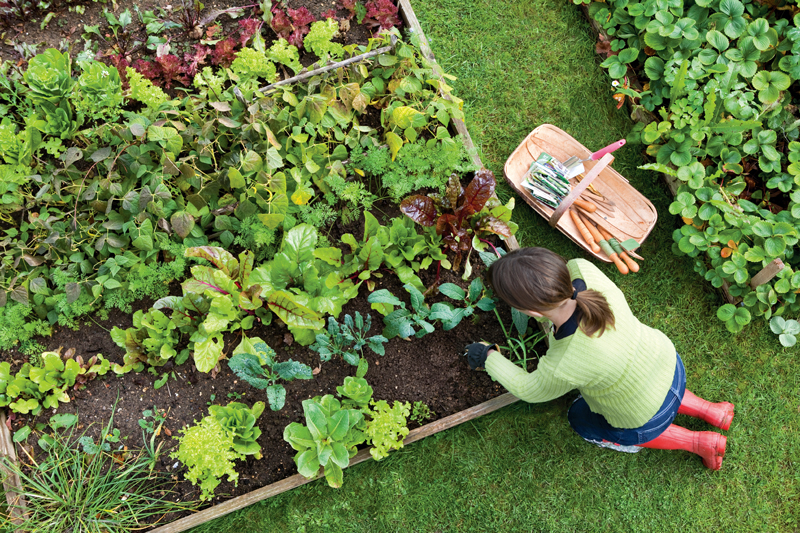
Raised beds are garden boxes filled with soil that sit above ground level. They give you more control over growing conditions and are especially helpful if your native soil is less than ideal.
Benefits of Raised Beds
- Better soil control
You start with fresh, nutrient rich soil, which is ideal for growing vegetables. - Improved drainage
Raised beds help prevent soggy roots, especially after heavy rain. - Easier maintenance
Less bending and kneeling makes gardening more comfortable. - Fewer weeds
Starting with clean soil reduces weed pressure.
Things to Consider
- Higher upfront cost for materials and soil
- Can dry out faster and may need more frequent watering
- Limited space unless you build multiple beds
What Is In Ground Gardening?
In ground gardening uses the soil already in your yard. It is the traditional approach and works well for larger spaces.
Benefits of In Ground Gardening
- More space to grow
Perfect for larger crops like squash, pumpkins, and corn. - Lower cost
No need to build beds or buy large amounts of soil. - Better moisture retention
Ground soil tends to hold moisture longer than raised beds.
Things to Consider
- Soil quality may need improvement
Adding compost or organic matter is often necessary. - More weeds
Existing seeds in the soil can lead to ongoing maintenance. - More physical work
Digging and bending can be harder on your back and knees
Which Option Is Best for You?
The best choice comes down to your conditions and goals.
Choose raised beds if you want a clean, organized layout with better control over soil quality and easier upkeep. They are especially useful if your soil is rocky, compacted, or inconsistent.
Choose in ground gardening if you already have good soil and want to grow a larger garden without the added cost of building beds.
Many gardeners combine both methods, using raised beds for herbs and smaller crops, and in ground rows for larger vegetables.
Tips for a Successful Edible Garden
No matter which method you choose, these basics will help you grow with confidence:
- Pick a sunny location with at least 6 to 8 hours of sunlight
- Use quality soil or improve existing soil with compost
- Water consistently, especially during dry periods
- Start with reliable crops like tomatoes, peppers, lettuce, and herbs
- Rotate crops each season to keep soil healthy
Grow What Works for You
There is no one right way to garden. The best setup is the one that fits your space, your time, and what you enjoy growing.
Whether you are building your first raised bed or planting directly in the ground, an edible garden is one of the most rewarding ways to enjoy the season.
FAQs About Raised Beds and In Ground Gardening
Do raised beds produce better results?
They can, especially if your native soil is poor. In good soil, both methods perform well.
How deep should a raised bed be?
Most vegetables grow well in beds that are 10 to 12 inches deep.
Can I switch from in ground to raised beds later?
Yes. Many gardeners evolve their setup over time.
Which is easier for beginners?
Raised beds are often easier because they offer more control and fewer variables.
Visit Salt Box Nursery
Ready to start your edible garden? Visit Salt Box Nursery in Billerica, MA for plants, soil, and supplies to help you grow a successful garden this season.
Salt Box Nursery
562 Boston Road
Billerica, MA
Hours:
Open daily • 8 AM to 5 PM
Stop in and let’s get your garden growing the way that works best for you.
