Blog
How to Build a Pollinator Paradise This Spring
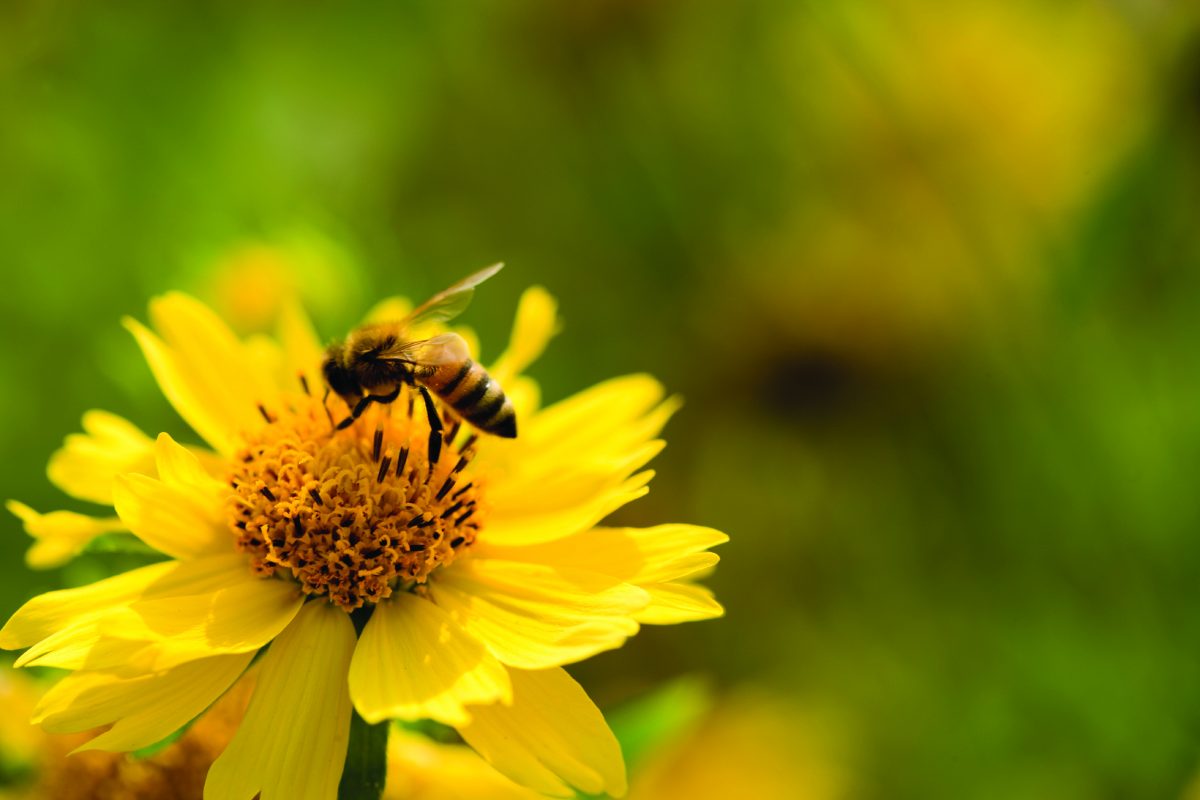
At Salt Box Nursery, we believe every garden has the power to make a difference. And one of the best ways to do that—especially here in New England—is by creating a haven for pollinators. Bees, butterflies, hummingbirds, and even some beneficial beetles are essential to a healthy landscape. They keep our veggies growing, our flowers blooming, and our ecosystems thriving.
Building a pollinator paradise doesn’t have to be complicated. With a few smart choices, you can turn your backyard, front border, or even a patio container into a buzzing, fluttering, nectar-filled retreat. Here’s how to get started this spring, right here at Salt Box.
🌼 Start with Native Plants
Pollinators and native plants have evolved together, so choosing species that naturally grow in our region is the best way to support them. Look for eastern North American natives like:
-
Milkweed (Asclepias) – Monarch butterflies depend on it.
-
Bee Balm (Monarda) – A favorite of hummingbirds and bees.
-
Purple Coneflower (Echinacea) – Provides nectar and later, seeds for birds.
-
Joe-Pye Weed (Eutrochium) – Late-season blooms feed butterflies when resources are scarce.
Not sure where to start? Come talk to us! We carry a wide variety of native pollinator plants grown for our local climate.
🐝 Mix It Up
Pollinators are active from early spring through fall, so plant with the seasons in mind. Choose early bloomers like creeping phlox and lungwort, mid-season workhorses like black-eyed Susan and catmint, and late bloomers like goldenrod and asters.
Aim for a variety of flower shapes and colors too—different pollinators are attracted to different things. Think of it as a buffet with something for everyone.
🦋 Provide Shelter and Water
Pollinators need more than flowers. You can make your garden even more inviting by:
-
Leaving some bare soil for ground-nesting bees.
-
Adding logs or brush piles for overwintering.
-
Including a shallow dish of water with stones for bees and butterflies to perch on.
Even a few thoughtful touches can turn your garden into a true sanctuary.
🚫 Say No to Chemicals
Skip the pesticides and herbicides, especially those that contain neonicotinoids. Even organic sprays can sometimes harm pollinators if applied when bees are active. Instead, practice companion planting, hand-pick pests, or use insecticidal soap carefully and sparingly.
🌸 Let It Be Wild
At Salt Box, we love a garden that’s a little imperfect. Leaving seed heads, allowing clover to bloom in the lawn, or letting your garden grow a bit unruly in the corners provides valuable food and shelter.
A pollinator garden doesn’t have to be pristine—it just has to be alive.
Build Your Pollinator Garden with Us
We’re passionate about plants and the pollinators they support. Whether you’re planting a few containers or planning out a whole backyard transformation, the Salt Box Nursery team is here to help.
Stop by and explore our wide selection of pollinator-friendly plants, native perennials, and expert advice tailored to our local climate. You’ll leave with plants and a plan.
🌿 Together, we can turn every yard into a sanctuary for pollinators—and a little piece of paradise for you. 🐝🦋🌸
